



Blackout Roller Shades Fabric for Shift Workers and Day Sleep
Night workers may sleep through strong morning or afternoon sun. The fabric must remain opaque throughout that period without developing bright pinholes or thin areas near its edges. This setup gives shift workers a darker daytime sleep environment than room-darkening fabric alone.
What Blackout Fabrics Work for Shift Workers
The surface texture affects appearance, while the backing or inner layer usually provides the blackout performance. These materials are commonly available across made-to-measure blackout roller shades.
|
Fabric type |
Main function |
Best day sleep setting |
|
Backed polyester |
Blocks light through the weave |
Regular morning sleep |
|
Multilayer fabric |
Provides consistent opacity |
Strong direct sunlight |
|
PVC-coated polyester |
Resists moisture and stains |
Humid bedrooms |
|
Fiberglass-reinforced fabric |
Holds its shape |
Wide sunny windows |
|
Linen look blackout |
Adds texture with full coverage |
Primary bedrooms |
Backed Polyester Closes the Fabric Weave
Standard polyester contains small spaces between its yarns. An acrylic or foam backing fills those openings so visible light cannot pass through the panel.
This material is soft enough for a bedroom and is available in many colors. It suits people who want a fabric surface instead of a smooth vinyl finish.
Multilayer Fabric Uses an Opaque Inner Layer
Multilayer fabric places a light-blocking layer between the visible face and rear surface. The inner layer provides opacity across the panel even when the outer weave is decorative. It also reduces the risk of visible pinholes in loosely textured face fabrics.
A thicker construction may need a larger roller tube. Confirm that the selected hardware supports the fabric weight and finished shade width.
PVC Coating Creates a Sealed Surface
PVC-coated polyester uses a smooth coating to close the weave. The sealed surface is usually easier to wipe than foam-backed or heavily textured fabric. It works well in humid bedrooms. The material can also suit workers who need frequent cleaning because the room collects dust during the day.
Fiberglass Helps Wide Fabric Stay Stable
Fiberglass-reinforced fabric uses a stable woven core covered with an opaque coating. The reinforcement helps the panel resist stretching across a wide window.
This material suits large bedroom windows that receive several hours of direct sunlight. A stable panel is less likely to develop curled side edges that expose additional daylight.
The material may feel firmer than polyester. Request a sample if fabric texture and flexibility affect the preferred bedroom appearance.
Linen Look Fabric Relies on Its Backing
Linen look blackout fabric uses a textured synthetic face to create the appearance of woven linen. The visible texture does not provide the main light control. An opaque rear coating or inner layer creates the blackout result.
This option suits primary bedrooms where the shade remains visible throughout the day. It provides a softer decorative surface without giving up panel opacity.
How to Choose Blackout Fabric for Day Sleep
The best material depends on when sunlight reaches the bedroom and how the shade will be used. Window size and room conditions also change which fabric performs reliably.
Fixed Night Shifts With Morning Sun
A worker who returns home shortly after sunrise needs opaque coverage from the beginning of the sleep period. Choose a backed polyester or multilayer fabric. The openness should be 0 percent or described by the manufacturer as fully opaque.
Direct sunlight becomes a problem when it passes through thin fabric before the sleeper reaches the planned wake time. The Bringnox Motorized Roller Shades 100% Blackout Linen use material as 100 percent blackout with a multilayer backing. Its motor noise is below 45 dB and allows the shade to close without a hanging operating cord.

Afternoon Sleep Behind a Sunny Window
Late morning and afternoon sleepers should test how the material performs after several hours of sun exposure. A west-facing window can place the fabric under strong heat during the later part of the sleep period.
The panel should hang evenly when warm and return to its normal position after cooling. Multilayer laminated fabric or dimensionally stable coated material suits this condition.
Rotating Shifts With Changing Sleep Times
Rotating workers may sleep under morning light one week and afternoon light the next. Their shade fabric needs consistent opacity across a wider range of sun angles.
Choose a material that rolls evenly and does not curl along the vertical edges. Edge curl can expose more of the window even when the center of the panel remains fully opaque.
Scheduled motorized shades can follow changing sleep times. A remote or wall control can be useful when the schedule changes unexpectedly. The fabric choice should remain the first check because automation cannot correct a panel that transmits light.
Humid Bedrooms and Bathroom Adjacent Windows
Moisture can collect near a bedroom window when the room connects directly to a bathroom. A smooth vinyl surface is easier to wipe than textured or foam-backed fabric, making it more suitable for rooms exposed to occasional humidity.
The Bringnox Motorized Roller Shades 100% Blackout Vinyl combine an opaque blackout panel with an easy-clean surface. The fabric can be maintained with a damp cloth, while its 100 percent blackout rating helps shift workers control daylight during morning or afternoon sleep.
Ventilation still matters. Blackout fabric should not remain pressed against damp glass, since moisture can collect between the panel and window.
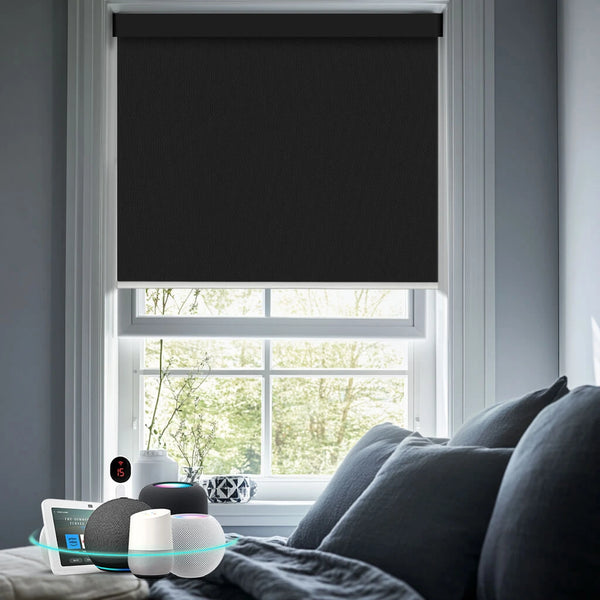
How to Stop Side Light Around Blackout Roller Shades
Roller shades need operating clearance so the fabric can move without rubbing against the window frame. That clearance can create bright vertical lines during daytime sleep. Side light should be treated along the left and right edges without changing the fabric selected for the center.
Add Side Channels Along the Fabric Edges
Side channels enclose the vertical fabric edges and block the direct path between the shade and window frame. They provide the strongest side coverage when the channels match the shade model.
The channels must follow the actual fabric path. A channel placed too far forward or behind the roller can pull the panel out of alignment.
An out-of-square recess can leave a narrow opening between the rail and frame. Measure the width at several heights so the installer can identify changes in the opening.
Use Light Blockers for Narrow Side Gaps
Light blockers are slim strips fitted beside the shade to cover a visible line of daylight. They can be practical when fully enclosed tracks are unavailable for the selected system.
The blocker should extend along the exposed side without touching the moving fabric. Contact can cause wear or prevent the shade from rolling evenly.
This method works best for straight frames with small, consistent gaps. Wide or irregular openings may require tracks or another layer of coverage.
Increase Side Overlap With an Outside Mount
An outside-mounted shade can extend beyond both sides of the window opening. The added width places the fabric in front of the wall instead of inside the recess.
Keep the fabric reasonably close to the wall. A large distance between the panel and wall can allow daylight to travel behind the shade and remain visible from the bed.
Outside mounting suits shallow recesses and frames with handles that block an inside shade. The wall area on both sides must be flat enough for balanced coverage.
Cover Both Sides With Blackout Curtains
Curtain panels can cover light that travels around the vertical edges of a roller shade. The curtains should extend beyond the visible side gaps and remain closed throughout the sleep period. This option is useful for irregular frames that cannot accept straight channels. It can also improve side coverage in rental rooms where permanent rails are unsuitable.
The curtain does not need to replace the roller shade. The opaque roller fabric handles the main window area while the overlapping panels cover the two exposed sides.

FAQ
Does darker blackout fabric block more light?
No. The opaque backing controls light transmission. A pale face color can perform as well as a dark color when both use the same blackout construction.
Can blackout fabric reduce daytime noise?
Only slightly. A roller panel may reduce some sound reflection, but it does not seal the window opening. Noise control needs a separate treatment.
Should shift workers still use an eye mask?
It can help. An eye mask provides backup for small side gaps or light under the bedroom door, especially while the window treatment is being adjusted.
Can blackout fabric cure shift work disorder?
No. It only improves the sleep environment. Persistent insomnia or excessive sleepiness should be discussed with a qualified sleep clinician.
How should blackout roller fabric be cleaned?
Follow the fabric instructions. A soft brush or lightly damp cloth is common, while soaking may damage bonded or foam-backed materials.
Conclusion
Results vary. The backing, window glass, and installation affect heat transfer. Request tested thermal data when daytime heat is a major concern.
Blackout roller shades fabric for shift workers should match the actual sleep time and window exposure. Backed polyester suits many bedrooms, while laminated or coated materials can handle stronger sunlight and humid conditions.
Test the production sample during the brightest part of the sleep period. Once the panel stays opaque, control the two side gaps with compatible channels, light blockers, added overlap, or curtain coverage.