



How to Blackout a Window? 4 Practical Ways
To blackout a window effectively, cover the glass with an opaque material and reduce the light entering around the edges. For bedrooms, nurseries, home theaters, or rooms affected by streetlights, the fit around the window can matter as much as the fabric itself. A shade or curtain may use blackout material and still leave visible light around the frame. Before replacing an existing window covering, close it during strong daylight and check where the remaining light enters.
How to Blackout a Window With 4 Practical Methods
The best solution depends on whether the covering needs to stay on the window and how easily you want to restore daylight. A permanent shade works well for regular use, while film or a removable panel can handle simpler blackout needs.
|
Method |
Best Use |
Main Limitation |
|
Blackout roller shade |
Everyday blackout |
Edge gaps depend on fit |
|
Blackout curtains |
Wide window coverage |
Light can enter around the rod |
|
Blackout window film |
Glass that can stay covered |
View is blocked while installed |
|
Removable blackout panel |
Temporary blackout |
Must be removed manually |
1. Use Blackout Roller Shades for Daily Control
A blackout roller shade uses one sheet of opaque fabric that rolls above the window when opened. Because the material stays close to the glass, it can provide strong light control without taking up much space around the frame.
The remaining light usually appears beside the fabric when the shade is too narrow or when an inside mount requires operating clearance. Accurate measurements therefore affect the final blackout result.
For a window that needs reliable darkness every day, Bringnox Motorized Roller Shades 100% Blackout Linen uses 100% blackout fabric designed to block incoming light. The shade can be customized to the window size, while motorized cordless operation makes repeated opening and closing easier for bedrooms and other frequently used rooms.

2. Install Blackout Curtains for Wider Coverage
Blackout curtains can cover more than the glass itself. That wider coverage is useful when light enters around a window frame or when an existing blind does not extend far enough beyond the opening.
Blackout curtains can also be layered over an existing shade. The inner treatment handles most direct light, while the curtain covers part of the remaining space around the window.
3. Apply Removable Blackout Window Film
Blackout window film attaches directly to the glass. It removes the gap between the blackout material and the pane, which makes it useful when the window does not need to provide a daytime view. This method works best when blackout matters more than frequent access to daylight.
The film has to be removed or moved away from the pane before the window becomes transparent again. Static-cling film can usually be removed more easily than a permanent adhesive product.
4. Fit a Removable Blackout Panel
A removable panel covers the window opening with an opaque piece of fabric or another lightweight blackout material. It can work well in a guest room or another space that only needs darkness occasionally.
The main drawback is convenience. The panel needs to be taken down when daylight or the outside view is wanted. For that reason, removable panels usually make more sense for short-term blackout than for windows that are opened every morning and closed every night.

How to Blackout a Window Without Edge Light
A blackout material only controls the light that reaches the material. Light can still enter through uncovered space between the treatment and the window frame. Check the window during the brightest part of the day. The location of the bright area usually shows whether you need wider coverage or a different mounting position.
Find the Source of the Light Gap
A bright vertical line beside a roller shade usually indicates space between the fabric and the window frame. This can happen with an inside mount because the roller and fabric need enough clearance to operate.
Light visible through the center of the material suggests the existing fabric may be light filtering or room darkening rather than fully opaque. Switching to blackout roller shades provides stronger light blockage.
Curtains require a different check. Look at the distance between the fabric and wall when the panels are completely closed.
Choose Outside Mount for More Coverage
An outside-mounted shade is installed on the trim or wall surrounding the window. The shade can therefore extend beyond the opening instead of remaining inside the recessed frame. The extra overlap can reduce the bright strips that commonly appear along an inside-mounted roller shade. It is especially useful when maximum darkness matters.
An inside mount still works well when the recess has enough depth and a cleaner built-in appearance is preferred. The correct choice depends on the dimensions and structure of the individual window.
Measure before deciding, and realize how the available frame depth and surrounding mounting space affect each installation type.
Seal Curtain Side Gaps Before Replacing Curtains
Opaque curtains do not automatically need replacing when thin lines of light appear beside them. The first thing to check is how far the fabric sits from the wall.
A wraparound curtain rod can bring the outside edges closer to the surface. Removable fasteners can also hold loose sections of fabric against suitable trim.
The curtain should remain loose enough to close naturally while extending beyond the window opening.
How to Choose a Blackout Method for Different Rooms
Each room uses daylight differently. The right blackout method should match how dark the room needs to become and how often the window must return to normal daytime use.
Best Blackout Options for Bedrooms
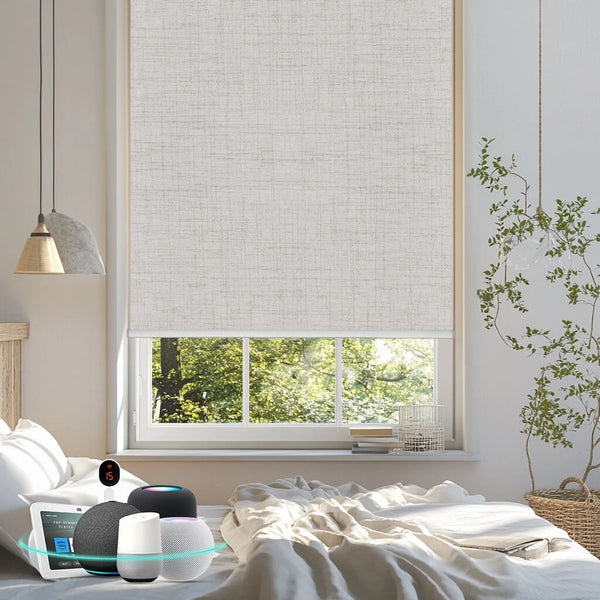
Blackout roller shades are a practical choice for bedrooms because they can stay installed and switch between daytime light and nighttime darkness easily. Bedrooms with windows opened and closed every day can also use motorized roller shades to simplify regular operation.
Best Blackout Options for Living Rooms
Living rooms often need natural light for much of the day, so permanently covering the glass is usually less convenient. Blackout curtains are a good choice. They work well on larger windows and can be opened fully when you want natural light or an unobstructed view.
Best Blackout Options for Nurseries
Cordless operation should come first in a nursery. The U.S. Consumer Product Safety Commission recommends cordless window coverings where young children are present because accessible cords can create a strangulation hazard.
The Bringnox Motorized Roller Shades 100% Blackout Vigor combines 100% blackout material with cordless motorized operation. The opaque fabric helps reduce daylight during naps, while the motor removes the need for an accessible pull cord.
Best Blackout Options for Home Theaters
The main goal in a home theater is reducing light that reaches the screen. Start by covering the full window opening with a blackout shade or blackout panel. If light is still visible around the perimeter, add wider curtains or use an outside-mounted treatment to increase overlap around the frame.

FAQs
Do Blackout Shades Need to Be Black?
No. Blackout refers to how much light passes through the material. Beige, white, and other colors can use an opaque backing that blocks direct light.
Can Aluminum Foil Blackout a Window?
Yes, it can block visible light. It is usually better suited to temporary use.
Can You Blackout a Window and Still Open It?
Yes. Use a movable shade or curtain that clears the sash and handles. Test the window after installation to make sure the covering does not interfere with normal operation.
Do Blackout Window Coverings Provide Privacy at Night?
Yes, when the material is opaque and fully closed. Proper sizing also matters because wide gaps around the treatment can leave narrow sight lines beside the window.
How to Blackout a Window Successfully
The most effective way to blackout a window is to use an opaque covering that fits the opening closely enough to control edge light. Roller shades work well for frequent operation, while curtains provide wider coverage around the frame.
Window film and removable panels suit occasional or less permanent needs. Once the covering is installed, inspect the window in strong daylight and correct the largest remaining light gap before replacing a material that already blocks direct light.