



How Much Do Roller Shades Cost in 2026?
Roller shades cost about $10 to $150 per window for stock products before installation. Custom or professionally installed roller shades commonly cost $130 to $525 per window, while premium motorized systems may reach $500 to $1,500 or more per installed window. Your final price depends on the window size, fabric, operating system, mounting hardware, controls, and installation requirements.
How Much Do Different Types of Roller Shades Cost?
Roller shade prices are easier to compare when product-only and installed costs are separated. A retail price may cover the shade and basic brackets, while an installed quote can include measuring, custom sizing, upgraded hardware, labor, controls, and electrical work.
The following figures are planning ranges based on 2026 cost data. Actual prices vary by window and configuration.
|
Roller Shade Type |
Typical 2026 Cost per Window |
Typical Use |
|
Light-Filtering Roller Shades |
$10 to $300 or more |
Living rooms, kitchens, and home offices |
|
Blackout Roller Shades |
$15 to $525 or more |
Bedrooms, nurseries, and media rooms |
|
Solar Roller Shades |
$45 to $350 or more |
Sunny rooms, screen areas, and west-facing windows |
|
Motorized Roller Shades |
$100 to $1,500 or more |
Large, high, or frequently adjusted windows |
Light-Filtering Roller Shades
Light-filtering roller shades usually occupy the lower or middle price range. Stock versions may cost $10 to $150, while custom dimensions, textured fabrics, decorative hardware, and motorization can raise the price above $300.
The Bringnox Motorized Light Filtering Roller Shades 70% Blackout Linen was listed from $109, which is near the lower end of the broader motorized-shade market. The advertised starting price generally applies to a smaller shade with basic selections. Larger dimensions, upgraded motors, cassettes, smart controls, or other options will increase the configured total.

Blackout Roller Shades
Blackout roller shades often cost more than light-filtering models because they use opaque fabric or a light-blocking backing. Stock shades may begin below $100, while custom and professionally installed versions commonly cost $200 to $525 or more per window.
Solar Roller Shades
Common solar roller shades cost approximately $45 to $350, although large dimensions, premium mesh, cassettes, and motorization can increase the price. The most economical choice is usually the openness level that solves the room’s glare problem without adding unnecessary layers or upgrades.
Motorized Roller Shades
Basic motorized roller shades may start near $100, while professionally installed systems commonly cost several hundred dollars per window. Premium shades involving hardwiring, specialty hardware, or advanced home automation can reach $1,500 or more.
For homeowners who want everyday remote operation at an entry-level motorized price, the Bringnox Motorized Roller Shades 100% Blackout Vigor was listed at $109. This price is especially relevant for a multi-window project, where a difference of several hundred dollars per shade can substantially change the total budget.
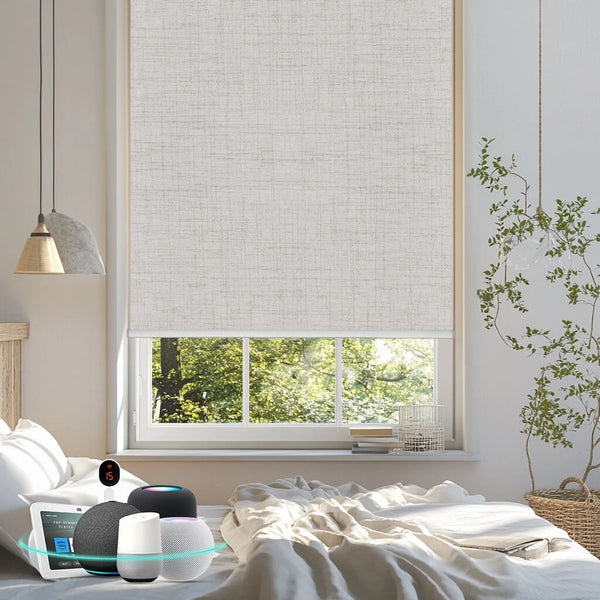
The included motorized operation reduces the need to pay an installer to retrofit a motor later. Its remote can control as many as 15 paired shades individually or as a group, so one control can serve several windows. This makes the base system more useful in living rooms or open-plan spaces without requiring a separate remote for every shade.

What Factors Affect the Cost of Roller Shades?
Two similar-looking shades can carry very different prices because the fabric is only one part of the finished product. Dimensions, controls, mounting components, and work at the window may contribute just as much to the total.
Window Size and Custom Dimensions
Wider and taller shades require more fabric. Large spans may also need a stronger roller tube, reinforced brackets, or a higher-capacity motor to keep the fabric moving evenly.
Standard retail sizes are usually the least expensive. Nonstandard dimensions require made-to-measure production, while oversized openings may need two or more coordinated shades.
Fabric and Light-Control Level
Light-filtering, room-darkening, blackout, and solar materials solve different problems. Their prices vary with construction, backing, texture, pattern, color, and specialty finishes.
Choose the performance category before comparing decorative fabrics. A living room that needs softer daylight may not benefit from paying for blackout material. A bedroom exposed to streetlights may justify blackout fabric and extra edge coverage.
Operating System
Manual roller shades use a spring, cordless mechanism, or another hand-operated system. Motorized shades add a tubular motor, power source, and controls. Hardwired motors can create a cleaner permanent installation, though the electrical work raises the initial cost.
Hardware and Finished Appearance
An exposed roll with standard brackets generally costs less than a cassette, fascia, or decorative valance.
An outside mount covers more of the opening and may improve privacy or light control, though it can require a larger shade.
Reverse-roll configurations, side channels, light blockers, custom finishes, and compatible no-drill mounting systems can also increase the configured price.
Installation and Additional Charges
Professional measuring and installation may be priced per shade, per visit, or as part of a complete project. Current national guides place ordinary installation labor around $15 to $75 per window, but custom work and difficult access can cost more.
High windows may require ladders, scaffolding, or a second installer. Removing old treatments, patching holes, repairing trim, and running electrical cable can create separate charges. Shipping, sales tax, minimum service fees, programming, and warranty coverage should also be checked before accepting a quote.
How to Save Money on Roller Shades
The safest savings come from removing upgrades that do not improve the room’s performance. Cutting corners on measurements or choosing an unsuitable fabric can turn a lower purchase price into an expensive replacement.
Measure Accurately Before Ordering
Measure every window individually, even when several openings appear identical. A measuring error can leave an inside-mounted shade too wide to fit or too narrow to provide adequate coverage. Confirm frame depth, handles, cranks, and other obstructions before placing the order.
Motorize Only the Windows That Need It Most
Motorization provides the most value on windows that are high, hard to reach, frequently adjusted, or too wide for convenient manual operation. It can also be useful where shades follow a daily schedule. Use simpler manual shades on secondary windows that remain in one position most of the time.
Mixing manual and motorized blinds can preserve a coordinated appearance while keeping the total project cost under control.
Choose Functional Fabric Before Decorative Upgrades
Start by deciding whether the room needs light filtering, blackout, or solar fabric. This prevents you from paying for performance that the space does not need. Compare standard and premium colors only after selecting the appropriate opacity.
A basic fabric that solves the room’s light and privacy problem is usually a better purchase than a decorative upgrade with unsuitable performance.
Keep the Hardware Simple
An exposed roll and standard brackets often provide the lowest-cost configuration. Cassettes, fascia, valances, side channels, and custom-finished hardware can improve appearance or coverage, but each item adds to the price.
Order Fabric Samples First
A computer screen cannot show how a fabric behaves at your window. Order samples and examine them in both natural and artificial light.
Check the color, texture, opacity, and view-through. For light-filtering or solar fabric, test privacy from outside after dark with the room lights on. This inexpensive step can prevent ordering the wrong material for multiple windows.

FAQs
How much extra does motorization cost?
There is no universal motorization surcharge. The added cost depends on the motor, power source, remote, smart hub, wiring, programming, and installation. Compare complete manual and motorized configurations for the same window and fabric.
Are blackout roller shades more expensive?
They often are. Opaque fabrics or specialty backings may cost more than basic light-filtering materials. An outside mount, cassette, light blockers, or side channels can add further expense when stronger whole-window darkness is required.
What is included in a roller shade quote?
Check whether the price includes fabric, the roller tube, brackets, cassette or valance, motor, charger, remote, hub, installation, shipping, taxes, and warranty coverage. Confirm whether measuring, old-shade removal, electrical work, and programming are separate.
Conclusion
Basic stock roller shades occupy the lowest price tier, while custom sizing, blackout fabric, premium hardware, and motorization raise the cost. Product-only prices should never be compared directly with professionally installed quotes.
Measure every window, define the light and privacy requirements for each room, and compare complete configurations with the same options. Spend extra where better coverage, easier operation, or professional installation solves a real problem.