



Best Way to Clean Faux Wood Blinds: A Step-by-Step Guide
The best way to clean faux wood blinds is to remove loose dust first, wipe each slat with a barely damp microfiber cloth, and dry the surface immediately. This method helps homeowners remove common dust, fingerprints, and kitchen residue without taking down the blind.
Faux wood usually tolerates light moisture better than natural wood. However, its finish, cords, and internal hardware can still be damaged by excess water. Check the care label before cleaning and test any solution on a hidden edge.
What Is the Best Way to Clean Faux Wood Blinds Safely?
A dry-to-damp cleaning order gives you the most control. Removing loose particles first prevents dust from mixing with water and forming gray residue along the slat edges.
Match the Method to the Buildup
Use dry microfiber when the slats have a light gray layer. Add a small amount of mild dishwashing liquid when the surface feels sticky or shows cooking residue.
|
Blind condition |
First method |
Moisture level |
Stop when |
|
Loose household dust |
Microfiber cloth or soft vacuum brush |
Dry |
Dust stops transferring |
|
Fingerprints |
Plain microfiber cloth |
Barely damp |
The mark lifts |
|
Kitchen film |
Mild dish soap on a cloth |
Damp, never dripping |
The surface no longer feels sticky |
|
Unknown stain |
Hidden spot test |
Minimum needed |
Color or sheen changes |
|
Cracked finish |
No wet cleaning |
None |
Damage is confirmed |
Prepare the Right Cleaning Tools
Prepare the tools before lowering the blind. Each item should have one clear purpose so that excess water or an unsuitable cleaner does not reach the finish.
|
Cleaning tool |
Purpose |
|
Dry microfiber cloth |
Removes loose dust without scratching the slats |
|
Damp microfiber cloth |
Lifts fingerprints and light surface residue |
|
Clean dry cloth |
Absorbs moisture and prevents water marks |
|
Vacuum with a soft brush |
Removes dust from slats, edges, and the headrail |
|
Lukewarm water |
Dampens the cloth without exposing the slats to high heat |
|
Mild dishwashing liquid |
Breaks down light grease and sticky kitchen film |
|
Small bowl |
Keeps the diluted cleaning solution controlled |
|
Towel |
Protects the sill and floor from falling dust or drips |

How Do You Clean Faux Wood Blinds Step by Step?
Work from dry cleaning to controlled damp wiping when cleaning blinds. Finish one side before reversing the slats so you can see which areas still need attention.
Step 1: Lower and Inspect the Blind
Lower the blind fully and examine the slats in daylight. Look for cracked edges, loose ladder strings, and areas where the surface has started to peel.
Tilt the slats downward without forcing them tightly shut. This position exposes most of the upper surface while keeping each slat supported.
Step 2: Protect the Window Area
Remove objects from the sill and place a towel below the blind. The towel catches falling dust and keeps small drips away from painted trim. Place the cleaning bowl on a stable surface. Do not balance water or cleaning supplies on a ladder.
Disable automatic schedules if there is a motorized covering nearby. Unexpected movement can catch a cloth or move the shade while you are working.
Step 3: Remove Loose Dust
Start with a dry microfiber cloth and work from the top slat downward. Support each slat with one hand if it bends easily. A vacuum can make this step faster. Select low suction, attach a clean soft brush, and move in the same direction as the slats.
Turn the slats in the opposite direction after cleaning the first side. Wipe the windowsill before beginning the damp pass so fallen particles do not return to the blind.
Step 4: Wipe Normal Dirt With Mild Soapy Water
Add a few drops of mild dishwashing liquid to lukewarm water. Wet one corner of the cloth and wring it until no drops fall when squeezed.
Wipe from the center toward the outside edge. This reduces pressure near the ladder strings and prevents dirty moisture from collecting around the route holes.
Do not spray the solution directly onto the blind. A spray can enter the headrail or settle on nearby slats before you have time to dry them.
Step 5: Remove Grease From Faux Wood Blinds
Hold a damp, soapy cloth against the greasy area for several seconds. Wipe once with light pressure, then repeat with a clean section of cloth if residue remains.
Avoid concentrated degreaser unless the manufacturer identifies it as safe for the finish. Test any approved cleaner behind the valance before using it on a visible slat.
Step 6: Treat Fingerprints and Small Marks
Start with a cloth dampened only with water. Work on the marked area so the rest of the slat receives as little moisture as possible. Body oil that remains can be treated with diluted mild dish soap. Follow with a clean, damp cloth and dry the spot immediately.
Frequent hand contact can be reduced by using schedules or a remote control on motorized blinds. The motor housing and charging components still need to stay dry during cleaning.
Step 7: Clean the Edges and Ladder Strings
Open the slats enough to reach their front edges. Hold the cloth around one edge and move slowly without pulling the slat toward you.
Use a separate, lightly dampened section of cloth on ladder strings. Pinch the string gently and clean it in short sections so its position does not change.
Do not saturate woven tape or operating cords. Moisture can carry soil deeper into the fibers and leave a darker line after drying.
Step 8: Remove Soap Residue
Make another pass with a clean cloth dampened only with water. Soap left on the finish may create streaks and attract new dust.
Use less moisture near the headrail and bottom rail. These parts may contain metal fasteners or operating components.
Check the window glass for splashes before continuing. Clean the glass separately so window cleaning products do not land on the slats.
Step 9: Dry and Test the Blind
Dry both sides of every slat with a fresh microfiber cloth. Leave the slats open until their ends and the lower rail feel completely dry.
Operate the tilt control slowly. Stop if a slat catches or the mechanism needs more force than it required before cleaning.
Raise the blind only after the inspection. Stacking damp slats can hold moisture between their surfaces and transfer marks.
How Can You Keep Faux Wood Blinds Cleaner?
A short, recurring routine prevents loose dust from combining with cooking oil or moisture. It also helps you notice surface damage before the problem spreads across several slats.
Use a Practical Cleaning Schedule
Inspect the blind whenever you clean the nearby sill. A kitchen window or a window beside an air vent may need attention sooner than a low-use bedroom window.
|
Timing |
Maintenance task |
Reason |
|
Weekly or when dust appears |
Use dry microfiber |
Prevents dust from becoming film |
|
After a visible splash |
Spot clean and dry |
Limits staining around the edges |
|
When movement changes |
Inspect the cords and headrail |
Finds mechanical trouble before the blind is forced |
|
Before damp cleaning |
Read the care instructions |
Confirms whether the finish allows moisture |
Reduce Dust, Fingerprints, and Frequent Hand Contact
Use the tilt control instead of touching individual slats. Oil from hands can hold dust and make frequently handled areas look darker.
Clean the windowsill during the same routine. Dust left below the blind can be disturbed by airflow and settle on the lower slats again.
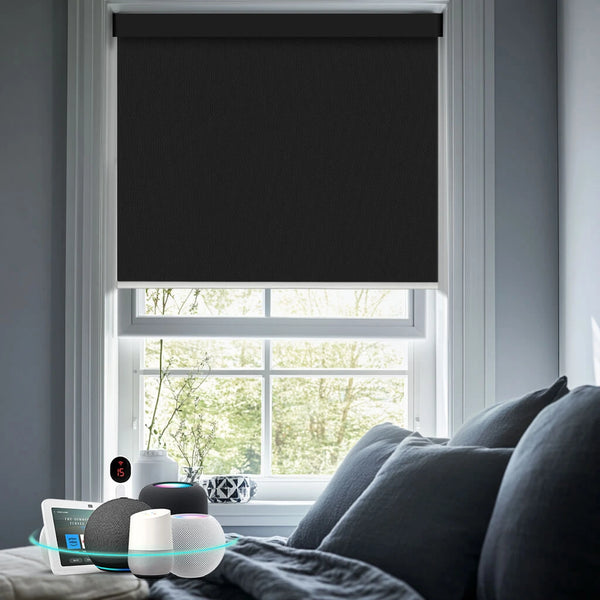
For windows adjusted several times a day, Bringnox Motorized Zebra Roller Blinds 100% Blackout can be controlled by remote, app, or voice command. This limits direct contact with the fabric. Its high-density polyester is described as anti-static and pilling-resistant.

Choose a Wipeable Surface for Grease-Prone Rooms
Horizontal blinds have multiple slats and edges where cooking film can collect. A window covering with one smooth panel reduces the number of separate surfaces that require cleaning.
Bringnox Motorized Roller Shades 100% Blackout Vinyl use a wipeable vinyl surface suited to light damp cleaning. The material blocks 100 percent of incoming light, while remote, app, or voice control reduces the need to touch the shade during daily operation.
The single-panel construction is practical near kitchens and other areas where fingerprints or surface residue appear often. Check the care instructions before applying water or a cleaning product.
FAQs
Can you use a steam cleaner on faux wood blinds?
No. Steam places heat and moisture near the finish, cords, and headrail. Use a lightly dampened cloth unless the manufacturer specifically approves steam cleaning.
What should you do if faux wood blinds smell after cleaning?
Dry them fully. Open the slats, ventilate the room, and check the headrail for trapped moisture. A persistent odor may indicate remaining soap or hidden dampness.
Can mold be cleaned from faux wood blinds?
Sometimes. EPA guidance permits detergent and water on suitable hard surfaces followed by complete drying. Fix the moisture source and replace material that cannot be cleaned safely.
Can you use disinfecting wipes on faux wood blinds?
Only with manufacturer approval. Disinfecting wipes may contain ingredients that discolor the coating or change its sheen. Test a hidden area before treating a visible slat.
Conclusion
The best way to clean faux wood blinds is to remove dry dust first and use minimal moisture for the remaining marks. Mild dish soap can handle grease when plain water is not enough.
Keep the headrail dry and stop if the finish changes. If cleaning separate slats has become too time-consuming, smooth roller shades can provide a simpler surface for regular maintenance.