



Best Way to Clean Blinds: Easy Methods for Every Material
The best way to clean blinds is to remove loose dust first, then use the gentlest method that is safe for the material. For most household blinds, a microfiber cloth or a vacuum with a soft brush attachment is enough for routine cleaning.
Work from the top downward and clean both sides of the slats when possible. Use water only when the material allows it, and avoid spraying cleaner directly onto wood, fabric, or powered parts. Regular light cleaning is usually safer than waiting until heavy grime requires aggressive scrubbing.
Best Way to Clean Blinds by Material
The material matters more than the amount of visible dirt. A method that works well on vinyl can damage unfinished wood or leave marks on some fabrics. Check the care instructions supplied with your window covering before trying a stronger cleaner.
|
Blind or Shade Material |
Routine Cleaning |
Moisture Level |
|
Real wood |
Microfiber cloth or soft vacuum brush |
Very low |
|
Faux wood and vinyl |
Dusting followed by a damp wipe |
Moderate |
|
Aluminum |
Microfiber cloth or soft brush |
Low to moderate |
|
Fabric and roller shades |
Soft vacuuming and spot cleaning |
Low |
|
Zebra shades |
Gentle vacuuming or light wiping |
Low |
|
Motorized shades |
Material-safe surface cleaning |
Keep controls dry |
Clean Wood Blinds With Minimal Moisture
Real wood reacts poorly to excess water. Dust the slats with a microfiber cloth or use a vacuum brush on a low setting. For a mark that dry cleaning cannot remove, use a cloth that is barely damp and wipe only the affected area. Dry the surface promptly instead of leaving moisture on the wood.
Avoid soaking wood blinds or spraying cleaner directly onto them. The safest product for a finished wood blind depends on its coating, so follow the manufacturer's care instructions before applying polish or a specialty cleaner.
Clean Faux Wood, Vinyl, and Aluminum Blinds
Faux wood and many vinyl blinds tolerate more moisture than real wood. After removing dust, wipe dirty areas with a microfiber cloth dampened with water and a small amount of mild dish soap.
Rinse the cloth and make another light pass if soap remains on the surface. Aluminum slats need less pressure because thin metal can crease during wiping.
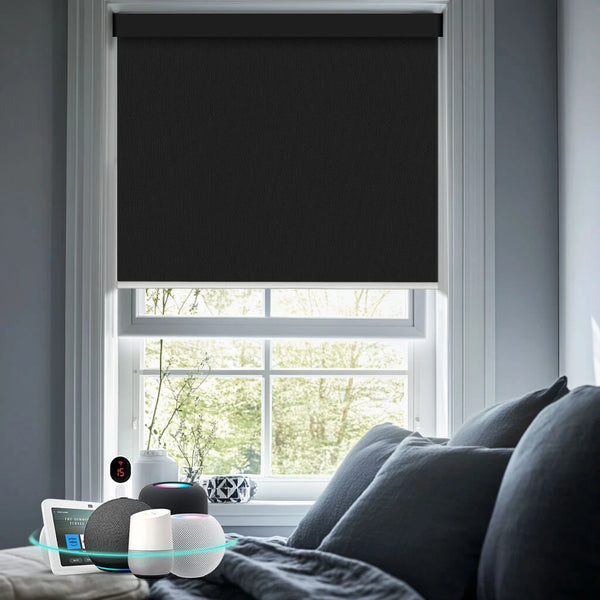
For wipeable window coverings in rooms where fingerprints or cooking residue are common, a smooth vinyl surface can simplify maintenance. The Bringnox Motorized Roller Shades 100% Blackout Vinyl uses a vinyl blackout surface, making light surface cleaning more practical than working through individual horizontal slats.
Clean Fabric Blinds and Roller Shades Carefully
Fabric needs a lighter approach because water can leave a ring, disturb a coating, or change the texture. Vacuum the shade gently from top to bottom with a clean, soft brush attachment. Treat a small stain by blotting it with a damp microfiber cloth. Do not scrub back and forth. Test any cleaning solution on a hidden area first.
Clean Zebra Shades Without Distorting the Fabric
Zebra shades use alternating sheer and denser fabric sections, so strong rubbing can affect the surface or the way the layers align. Lower the shade and remove loose dust with gentle vacuum suction.
Small marks can be wiped with a damp cloth when the manufacturer's instructions allow it. Keep the fabric flat while cleaning instead of pulling one band away from the other.
The Bringnox Motorized Zebra Roller Blinds 100% Blackout uses high-density polyester described as anti-static and pilling-resistant. It allows dust removal with a vacuum attachment or wiping with a damp cloth, which makes those methods more suitable than soaking or heavy scrubbing.

How to Deep Clean Blinds With Grease or Stains
Deep cleaning should target the dirty area rather than automatically soaking the whole window treatment. Start with the mildest method and increase cleaning strength only when the material can tolerate it. Kitchen blinds often need more attention because airborne cooking residue can make dust cling to the surface.
Remove Grease From Kitchen Blinds
Kitchen grease often forms a sticky film that traps dust, so dry dusting alone may not remove it. Start by wiping away loose dust with a microfiber cloth to keep it from spreading once the surface gets wet. Mix a small amount of mild dish soap with warm water, then dampen a clean microfiber cloth and wring it out well. Wipe the greasy area in short passes and repeat with a clean section of the cloth as the residue lifts.
For heavier buildup, hold the damp cloth against the greasy spot for a few seconds before wiping. Avoid hard scrubbing because it can spread softened grease across a larger area. Finish with a separate cloth lightly dampened with clean water to remove soap residue.
Clean Large Stains Without Soaking the Shade
Large stains need controlled cleaning across the affected area rather than soaking the entire shade. Start by removing loose dust with a vacuum and a soft brush attachment so dirt does not spread when moisture is added. Use a clean cloth lightly dampened with water and a small amount of mild detergent. Work across the stained area in small sections, using light pressure and moving in the same direction to reduce visible marks.
Blot excess moisture with a dry towel as you go. If the stain remains after one pass, let the fabric dry before repeating the process instead of adding more water at once.
Keep the shade fully extended until it is completely dry. Rolling or folding damp fabric can trap moisture and leave new marks on the surface.

How to Clean Motorized Blinds Safely
Motorized window treatments combine fabric or another covering material with electrical and mechanical components. Clean the visible material according to its own care requirements while keeping liquid away from powered parts.
Before cleaning around a motor housing, battery compartment, charging port, or control module, check the manufacturer's instructions.
Keep Water Away From Motors and Controls
Pay extra attention around the roller tube and charging area to keep moisture away from the motor and battery compartment when cleaning motorized roller shades. Do not spray cleaner directly onto motorized shades. Put any permitted cleaning solution on the cloth first so you can control where the moisture goes.
A dry microfiber cloth is usually enough for accessible housing and hardware. If dirt has entered the mechanism, follow the service instructions instead of flushing the area with cleaner.
Check the Blind Before Operating It Again
Allow damp-cleaned fabric to dry completely before rolling it into the headrail. Rolling damp fabric can trap moisture and may leave marks where layers touch.
Check that nothing was moved around the brackets, bottom rail, or operating mechanism during cleaning. The motorized roller shades should travel freely without resistance. For corded products that are still in use, inspect the operating cord at the same time.
How Often Should You Clean Blinds?
There is no single required cleaning schedule for every home. Rooms with open windows, pets, frequent cooking, or heavy airflow often collect visible dust faster. A practical schedule can therefore be based on visible buildup and the room where the blind is installed.
|
Condition |
Practical Cleaning Schedule |
|
Light household dust |
About every 2 to 4 weeks |
|
Kitchen residue |
Check every 1 to 2 weeks |
|
Visible fingerprints or spots |
Clean when noticed |
|
Deeper surface buildup |
Clean only when routine dusting is no longer enough |
The schedule should become more frequent when dust is clearly returning sooner. Regular light cleaning is generally safer than repeated aggressive deep cleaning.

FAQs
Can you clean blinds without taking them down?
Yes. Most routine dust and light dirt can be removed while the blinds remain installed. Removal is rarely necessary unless the manufacturer recommends a specific deep-cleaning method.
What is the best thing to clean blinds with?
A microfiber cloth is the safest starting tool for most blinds. Mild dish soap and water may help with washable materials, but wood and fabric usually need less moisture.
Can I use a wet cloth on blinds?
It depends on the material. Damp wiping usually works on vinyl and faux wood, while real wood and many fabrics need much less moisture.
How do you keep blinds from getting dusty?
Clean them before a heavy layer builds up. The EPA notes that damp dusting can help keep settled dust from returning to indoor air during cleaning.
Should blinds be cleaned from top to bottom?
Yes. Starting at the top keeps falling dust from settling on sections you have already cleaned and makes the process more efficient.
Keep Blind Cleaning Simple
The best way to clean blinds starts with identifying the material and using the least aggressive method that works. Regular dusting handles most buildup, while mild spot cleaning can address grease or marks on materials that tolerate moisture.
Wood, fabric, layered shades, and powered window treatments need more care than washable vinyl surfaces. When you are unsure, follow the manufacturer's instructions before using water, cleaning chemicals, or a deep-cleaning method.